Chasing the Sun: Effective Daylight Analysis Techniques
In an time where eco-friendliness and occupant comfort are at the center of architectural design, daylight analysis emerges as a key tool for modern architects. This technique not only boosts the beauty of buildings but also is essential in enhancing energy efficiency and encouraging well-being. Comprehending how natural light interacts within a space allows architects to create settings that are not only aesthetically pleasing but also functionally sound.
As the demand for green building practices grows, daylight analysis techniques provide invaluable insights into how light can be harnessed effectively. Through a mixture of sophisticated simulations and real-world design strategies, professionals can assess factors such as light quality, daylight availability, and annual sunlight exposure. These measurements help architects balance the benefits of natural light with the need for energy conservation, ultimately leading to designs that align with certification standards like Leadership in Energy and Environmental Design and Building Research Establishment Environmental Assessment Method. In this article, we will discuss various daylight analysis techniques, tools, and their impact on building performance, providing a thorough guide for those looking to conquer this essential aspect of architectural design.
Grasping Natural Light Analysis Methods
Daylight assessment methods are essential for assessing how natural light plays with a building's design. These methods involve a set of approaches, including measures like Daylight Metrics, Spatial Daylight Autonomy, and Yearly Sunlight Access. By employing such measures, architects can anticipate natural light availability throughout the year, ensuring that spaces are not only well-lit and pleasant and eco-friendly.
One of the most effective strategies in daylight assessment is Climate-Based Daylight Simulation, which employs real weather data to simulate how daylight will interact over time. This method allows architects to map light distribution and its impact on human comfort and energy consumption. By comprehending these patterns, designers can make informed choices about window locations and shading strategies, optimizing natural light while minimizing glare and overheating.
Finally, using cutting-edge natural light simulation tools such as Radiance Software and ClimateStudio enhances precision in analysis. Such tools enable comprehensive evaluations of different design scenarios, facilitating an iterative design process that includes daylight analysis from the beginning phase. This inclusion not only enhances improves aesthetic outcomes and also contributes to a building's total sustainability and comfort of its inhabitants.
Advantages of Natural Light Assessment in Architecture
Daylight analysis offers many benefits that significantly enhance building design and overall performance. One main benefit is the maximization of energy-saving, as strategically designed natural light solutions can lower reliance on artificial lighting. This not only reduces electricity costs but also decreases the building's carbon footprint. By taking advantage of natural light, architects can design spaces that are not only visually appealing but also environmentally sustainable.
Another significant aspect of natural light assessment is its impact on occupant health. Research shows that availability to natural light boosts mood, productivity, and overall health. Natural light assessment helps architects create spaces that maximize exposure to sunlight, which is essential for supporting a wholesome indoor environment. By considering view it now like glare and heat gain, architects can design effective shading systems that maintain visual comfort while enhancing the quality of life for occupants.
Additionally, natural light assessment plays a critical role in achieving green building certifications such as LEED and BREEAM. These certifications validate buildings that focus on natural light and energy efficiency, thus boosting their marketability and value. Integrating natural light assessment early in the conceptual design phase promotes thoughtful choices regarding the building's form, window placement, and facade orientation, which ultimately leads to more sustainable and functional designs.
Instruments and Programs for Successful Daylight Analysis
Regarding conducting successful daylight analysis, a selection of specific tools are on hand to architects and designers. Software like Insight, and Radiance provide solid platforms for simulating daylight conditions within a architectural plan. Radiance excels in physically-based rendering, allowing for comprehensive analysis of light interactions in structural spaces. ClimateStudio, integrates with Revit, offering a simple interface for daylight simulations, and is particularly noted for its ability to analyze annual daylight availability. The third option, part of the Autodesk ecosystem, enables quick evaluations of daylight performance, helping to visualize how natural light impacts the quality of spaces.
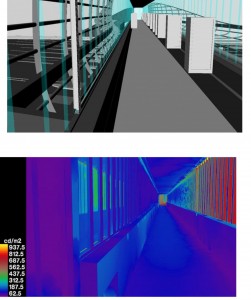
The applications of these tools extend beyond mere compliance with regulations. By employing daylight analysis at multiple points of design, architects can optimize energy efficiency in commercial buildings and residential spaces alike. For example, the assessment of daylight factor and spatial daylight autonomy plays a crucial role in ensuring that spaces receive ample natural light while minimizing reliance on artificial lighting. This not only leads to substantial cost savings but also enhances the occupants' well-being by creating more wholesome environments.
Additionally, advanced simulations facilitate tactical decisions regarding facade orientation and window-to-wall ratios, explicitly influencing the natural light quality within environments. As urban density and potential for light blockage rise, these tools can guide architects in developing designs that meet context-specific challenges. By integrating daylight analysis at the outset in the design phase, professionals can achieve a synergistic balance between light, thermal performance, and aesthetic appeal, paving the way for green and nature-friendly designs that resonate with users and nature.